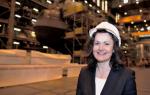
 Jackie Arnold MBE
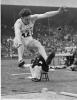 Harry Askew
  Professor Stephen Bailey
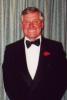 Sir Frank Barlow
 Reg Bazley
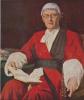 Norman Birkett, 1st Baron Birkett
.jpg) Bob Birrell
Bob Birrell Joe Birrell
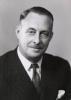 William Rushton Black - Baron Black of Barrow-in-Furness
 Chris Blackhurst
 Tom Brophy
 Philip Martin Brown
 Bill Burgess
 Maurice Chapman
 Glenn Cornick
.jpg) Gordon Fallows
Gordon Fallows Graham R Fleming
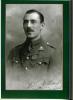 Lieutenant William Thomas Forshaw VC
 Philip Geddes
 Jim Glasgow
 Dr. Derrick Gould
 Richard Oliver Gross
 Michael Harper
 Michael Hart
 Jack Lewis, Baron Lewis of Newnham
 Janet Melville
 James Mossop
 Dave Myers
 Alan Parker
 Ivor Porter
 Peter Purves
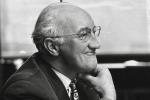 Sir Leonard Redshaw
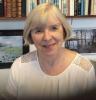 Dr. Elizabeth Roberts
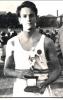 Bill Rollinson
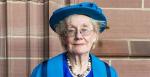 Dame Philippa Russell
 Tony Shearer
 Glenn Skivington
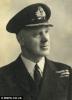 Commander Joseph Stenhouse
 Gary Stevens
 Peter Stevens
 Professor Marshall Stoneham
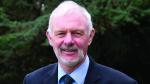 Peter Strike
 Professor Colin Talbot
 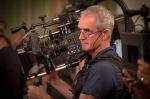 David Tattersall
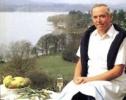 John Tovey
 When Dave Myers met John Tovey
 Don Trangmar
 David Turner
 Gary Westwood
 Dr. Thomas Wood
 The schools
  Association Presidents
  Looking for old classmates?
  Alumni - former pupils and staff of note
  Old Barrovian
  Outward Bound - the old school song
  All change!
  4th Nov. (London) 18th Nov. (Barrow) Come along to meet old friends and make some new ones
  BEM for Dennis
  Old Boy Joe makes the news!
  Come and join us
  Pictures
  News of former pupils and staff
 .jpg) Boys' School Heads
Boys' School Heads 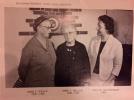 Girls' School Heads
  Signs of the times
  Old Boy honoured by the King
  Old Boy to take on Benidorm 10k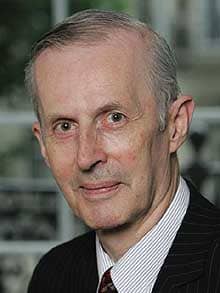
Professor Marshall Stoneham was a theoretical physicist who specialised in the defects of materials at an atomic scale – work which proved crucial in the development of nuclear power reactors.
Arthur Marshall Stoneham was born on May 18 1940 in Barrow-in-Furness to Garth Rivers Stoneham and the former Nancy Leslie. He was educated at Barrow Grammar School for Boys, which he later credited with such excellent science teaching that it produced three Fellows of the Royal Society in the space of 15 years. He was awarded a BSc at Bristol University and remained there to complete his PhD with Maurice Pryce.
Stoneham’s work made him one of the leading figures in the Atomic Energy Research Establishment (AERE) at Harwell from the mid-1960s, an era when it became apparent that waste disposal and the challenges of finding materials to build the reactors themselves, not nuclear physics, were the key scientific issues for the nuclear power programme to overcome. He was particularly known for showing how the lightest atom, hydrogen, can move very quickly through metals even when they are relatively cool; this explained how the hydrogen atoms could gather at the boundaries between the microscopic grains of metal crystal within the material, causing it to become brittle and fracture.