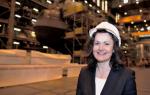
 Jackie Arnold MBE
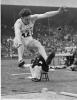 Harry Askew
  Professor Stephen Bailey
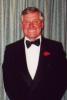 Sir Frank Barlow
 Reg Bazley
 Norman Birkett, 1st Baron Birkett
.jpg) Bob Birrell
Bob Birrell Joe Birrell
 William Rushton Black - Baron Black of Barrow-in-Furness
 Chris Blackhurst
 Tom Brophy
 Philip Martin Brown
 Bill Burgess
 Maurice Chapman
 Glenn Cornick
.jpg) Gordon Fallows
Gordon Fallows Graham R Fleming
 Lieutenant William Thomas Forshaw VC
 Philip Geddes
 Jim Glasgow
 Dr. Derrick Gould
 Richard Oliver Gross
 Michael Harper
 Michael Hart
 Jack Lewis, Baron Lewis of Newnham
 Janet Melville
 James Mossop
 Dave Myers
 Alan Parker
 Ivor Porter
 Peter Purves
 Sir Leonard Redshaw
 Dr. Elizabeth Roberts
 Bill Rollinson
 Dame Philippa Russell
 Tony Shearer
 Glenn Skivington
 Commander Joseph Stenhouse
 Gary Stevens
 Peter Stevens
 Professor Marshall Stoneham
 Peter Strike
 Professor Colin Talbot
  David Tattersall
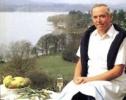 John Tovey
 When Dave Myers met John Tovey
 Don Trangmar
 David Turner
 Gary Westwood
 Dr. Thomas Wood
 The schools
  Association Presidents
  Looking for old classmates?
  Alumni - former pupils and staff of note
  Old Barrovian
  Outward Bound - the old school song
  All change!
  4th Nov. (London) 18th Nov. (Barrow) Come along to meet old friends and make some new ones
  BEM for Dennis
  Old Boy Joe makes the news!
  Come and join us
  Pictures
  News of former pupils and staff
 .jpg) Boys' School Heads
Boys' School Heads 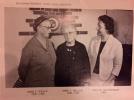 Girls' School Heads
  Signs of the times
  Old Boy honoured by the King
  Old Boy to take on Benidorm 10k
A lifelong devotee of the Lake District, Bill Rollinson mapped its geography, history and culture - and spread the word in books and broadcasts.
Bill Rollinson died in 2000 at the age of 62. He was the leading
historical geographer of the Lake District - probably the best there has ever
been. He published a number of books, one of which, Life And Tradition In The
Lake District, is a classic which will endure as long as anyone is interested
in Wordsworth's patch of ground. He was an outstanding lecturer with a
substantial personal following in the north-west. In an area carefully combed
and commented on over 250 years, he made an original and substantial contribution.
He spread the word on local radio and Border Television, never lowering his
standards.
Bill Rollinson was born in Barrow-in-Furness in 1937, and eventually became Captain of Barrow House. His father was a bricklayer at the Barrow iron and steel works. After Barrow Grammar School for Boys, he took a first in geography at Manchester University. In 1962, he became a lecturer at Liverpool University, eventually moving to the department of continuing education, from where he retired in his late 50s. He continued to lecture to local societies in the far north-west, increased his published output and found a niche in local broadcasting.
Rollinson's first public work was an article on the Lost Villages And Hamlets Of Low Furness. His last, a trio of booklets on Making Charcoal, Making Drystone Walls, and Making Swill Baskets. Between those typically local and particular concerns came several outstanding works on the landscape, traditions and language of Cumbria. These were what fascinated him, particularly the Scandinavian connection.
Although he was, in a very competitive field, supreme in his work on the Lake District, there was perhaps an even deeper pull to Norway, especially to the Fjord Mundal. Probably Rollinson's best television documentary, and most charming book, compares Mundal and Wastwater - uncannily similar in look and history. Bill was entranced by the connections and, year after year, hauled boatloads and busloads of hardy audiences to Iceland and Norway to examine the origin of the folk who, more than a millennium ago, became the core settlers in the lakes, giving it its unique language and character.